01 / SOURCE
PointPOINT
Start with the source
Color temperature, color rendering and luminaire specifications
Beyond the specifications of a luminaire.
See and measure lighting quality across an entire space.
Or use the inquiry form. Tell us about your space (school, store or restaurant) and we will reply with next steps.
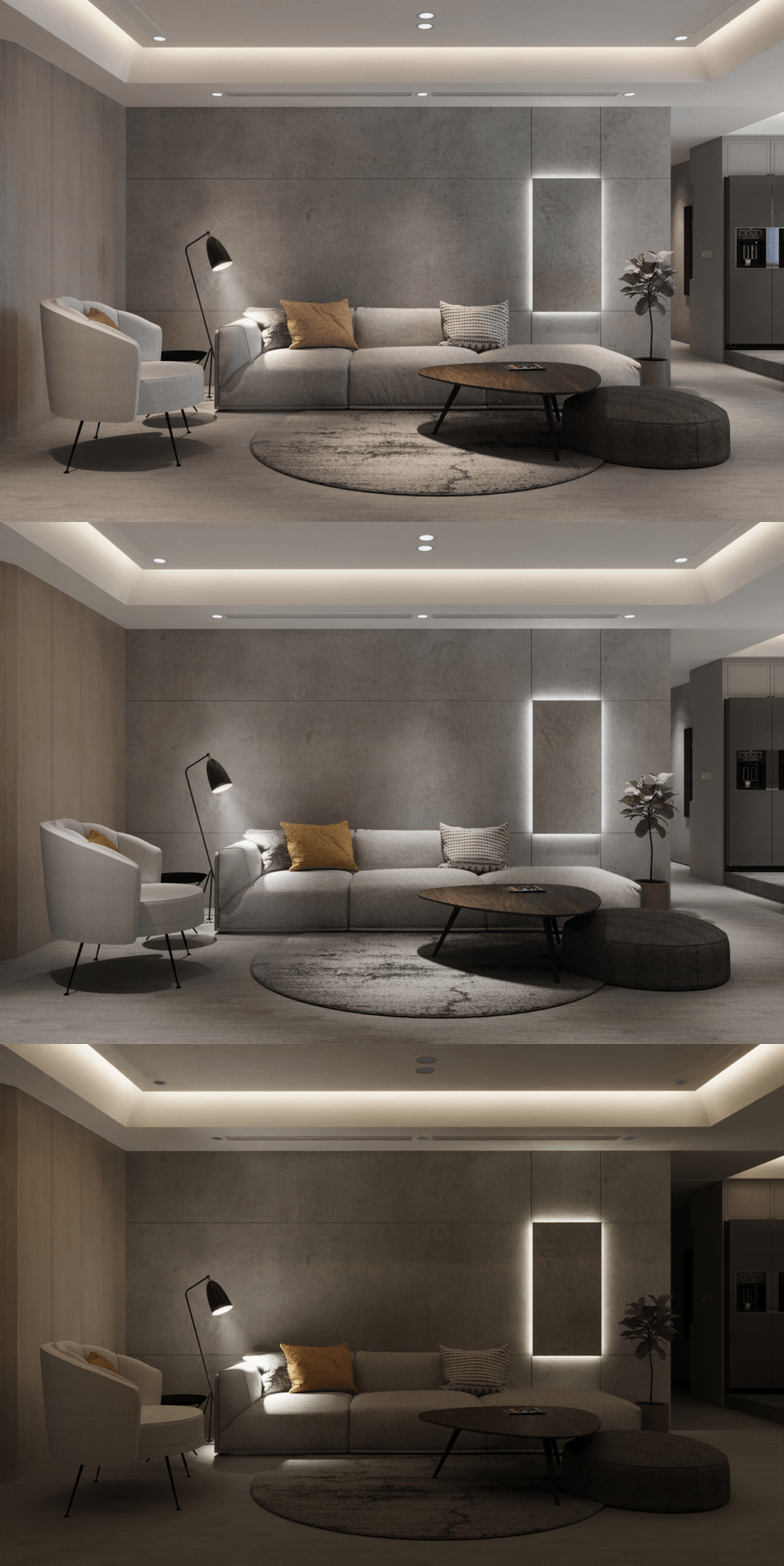
Light leaves a luminaire and reflects off walls, ceilings and floors. Together, these interactions shape the luminous environment we experience. Understanding lighting quality means considering the light source, the space and the people within it.
Start with the source
Color temperature, color rendering and luminaire specifications
Measure the working plane
Horizontal illuminance and point-by-point measurements
Understand the spatial light field
Assess spatial brightness, glare and circadian effects
Three complementary perspectives: from source specifications and planar measurements to spatial assessment.
Light, visualized and structured.
Describe spatial light through diffuseness, light vector and panoramic illuminance—making its distribution and direction easier to understand and analyze.
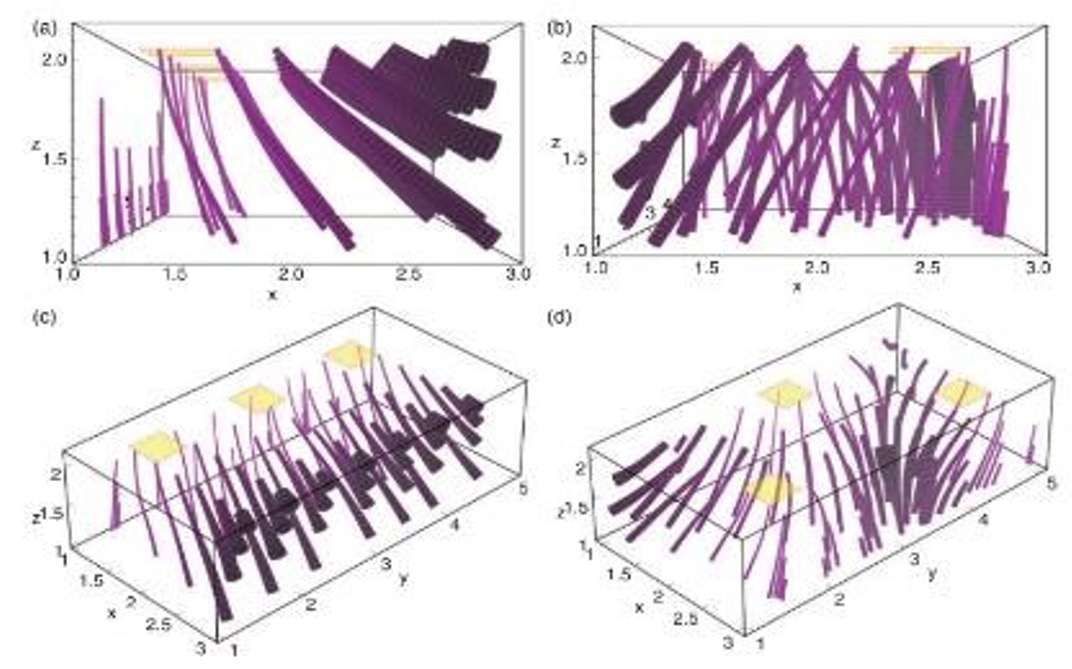
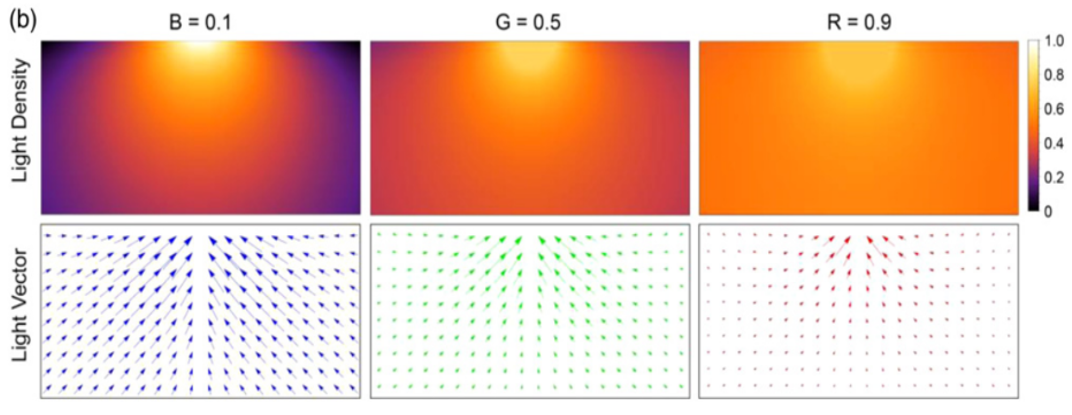
Spatial light-field characterization · Research illustrations
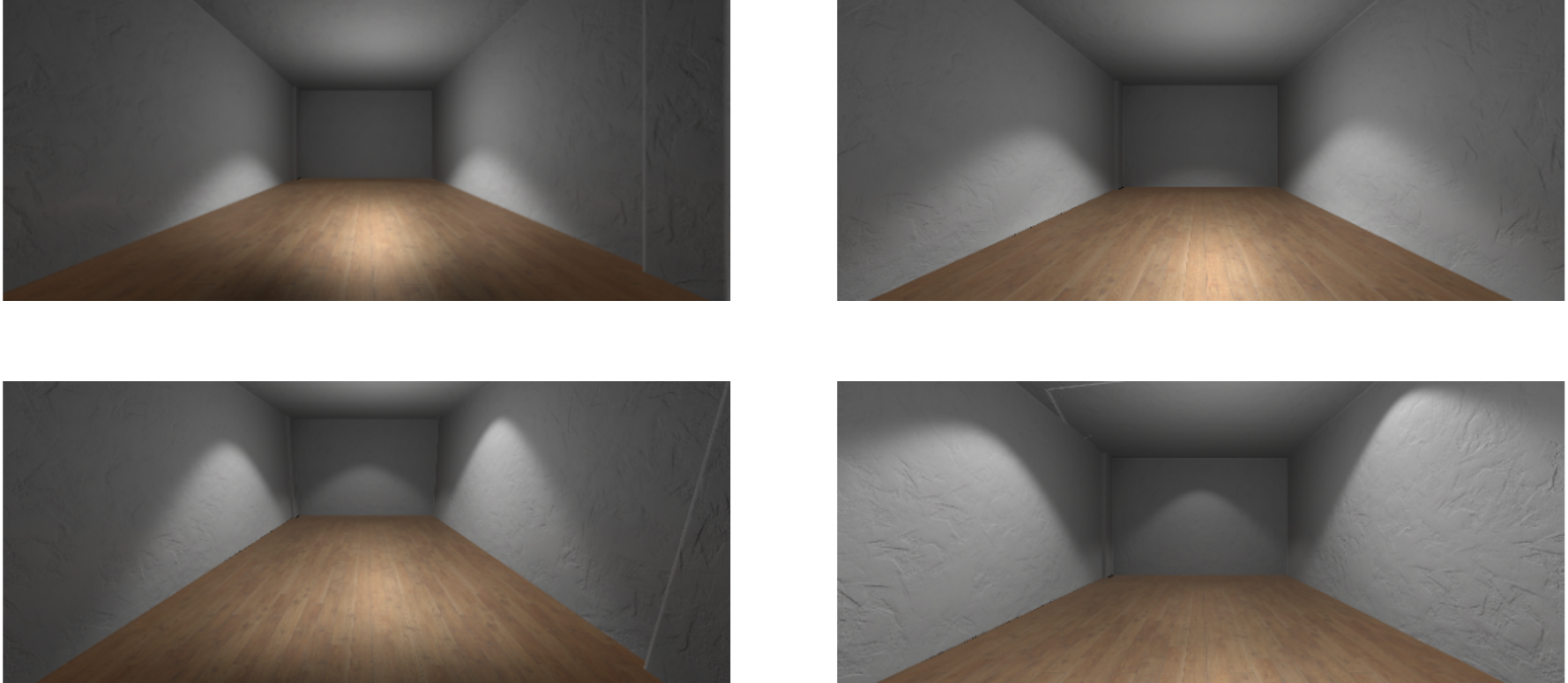
Luminaire placement changes how light is distributed across surfaces. Spatial brightness approaches, including MRSE, complement working-plane illuminance measurements to better understand the experience of a room.
From panoramic capture and image reconstruction to photometric calibration, turn spatial imagery into luminance data for analysis.
Capture the full spatial view at multiple exposures.
Preserve information in both dark and bright regions across an exposure sequence.
Stitch dual-fisheye images into a complete panorama.
Merge exposures and correct camera response to recover HDR information.
Use photometric measurements to convert image data to absolute luminance.
After calibration, a panoramic luminance distribution is available for lighting analysis.
Redrawn from the supplied HDR panoramic measurement material. This workflow describes the method and contains no fabricated measurement results.
The research team has developed LDR-to-HDR and spectral reconstruction networks, exploring lighting quality and non-visual effect assessment after photometric calibration, with the aim of reducing reliance on dedicated HDR equipment.
This section presents a research direction. Supported metrics, accuracy and use cases depend on calibration conditions and project-specific validation.
From image information to lighting insight.
Bring spatial assessment into the project lifecycle, from healthy, comfortable lighting design and intelligent dimming to lighting quality verification.
Ambient · Accent · Task · Decorative · Circadian lighting
Powered by lighting calculations and intelligent controls.
Turnkey services, from site survey to installation, commissioning and verification.
Share a few details about your school, learning space or commercial project and we will reply by email.